Quick quiz: how a home battery works
Ten questions on the technology. Tap an answer to see why.
A home battery stores electricity so you can use it later. It can keep the lights on in an outage, and some utilities pay you to use it at busy times.
Battery rebates are the most rule-heavy of the upgrades. Some pay only when the battery goes in with new solar. Some pay more when you join a program that lets the utility draw on your battery at peak times. Some products are excluded by name. Read the program page before you pick a model.
What to check before you buy
- Is it on the list? Programs pay for batteries on their own qualified list, and some brands are excluded.
- Enrollment. Some programs pay more if you enrol in a peak-time program within a set number of days. Put the date on your calendar.
- Solar or not. Some programs pay for a battery only with new solar. Others pay a battery alone.
- Size. Programs set a minimum size and pay per kilowatt-hour up to a cap.
- The installer. Many programs need a licensed or registered contractor.
Outage backup or bill savings?
Decide what you want the battery for before you shop. If you want backup power, ask what circuits it will keep running and for how many hours. If you want bill savings, ask your installer to show the math using your own rates, because the answer depends on your utility.
Some homeowners add a battery later, after solar. Check first, because a few programs pay for a battery only when it goes in with new solar in the same project. If you are close to doing both, quote them together.
Open battery rebates, region by region
Each row is an open program today. Amounts are the most a program pays, and many depend on your home, your income or your utility, so use the calculator for your own number.
| Where | Program | Pays | Source |
|---|---|---|---|
| British Columbia | BC Hydro battery rebate | up to $5,000 (CAD) | Official page, checked Oct 3, 2026 |
| Ontario | Home Renovation Savings: battery | up to $5,000 (CAD) | Official page, checked Oct 3, 2026 |
| California | SMUD partner battery enrollment | up to $6,000 (USD) | Official page, checked Oct 2, 2026 |
| Colorado | Xcel Energy Renewable Battery Connect | up to $5,000 (USD) | Official page, checked Sep 29, 2026 |
| New Jersey | PSE&G GridSmart Battery | up to $5,000 (USD) | Official page, checked Oct 6, 2026 |
| Washington | PSE Flex Batteries | Up to $1,000 plus $500 a year (USD) | Official page, checked Oct 6, 2026 |
Start with these guides
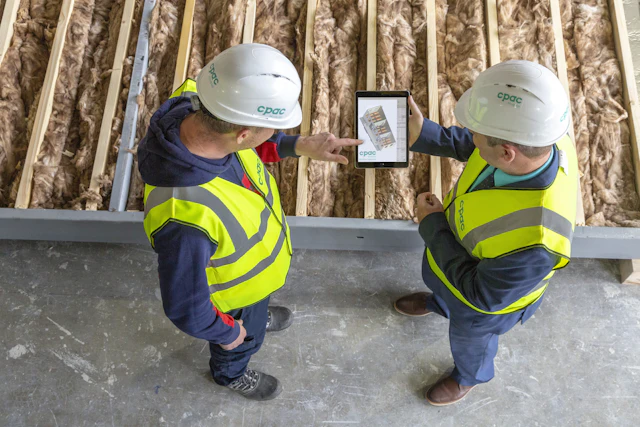 Ways to lose it7
7 Sneaky Ways to Lose Your Rebate (and the Easy Fix for Each)
 Questions to ask9
9 Questions That Make a Heat Pump Installer Sweat (In a Good Way)
 QuizMyth or true?
Heat Pump Myths, Busted: 6 Things Your Brother-in-Law Got Wrong
- GuideOntario Home Renovation Savings Program: 2026 guide
- GuideHow to Stack BC Rebates in 2026: Real Example
- GuideStacking BC Rebates: Solar, Heat Pump and Water Heater
- GuideSan Diego Rebate Guide 2026: SDG&E and Community Power
- GuideSMUD Rebates 2026: Heat Pump $1,000 to $3,000 and More
- GuideHeat Pump or Solar First in California? A 2026 Decision Guide
Common questions
Will a battery power my whole house?
It depends on the battery size and what you plug into it. Ask your installer what it can run and for how long.
Does a battery save money?
It can, if your utility has peak-time rates or pays for enrollment. Check the program page for the numbers.
Are all brands eligible?
No. Programs keep their own lists, and some exclude products by name. Check before you buy.
Where do I start?
Pick your city in the rebate finder, then compare top-rated installers.
Sources, read October 6, 2026: BC Hydro: Peak Saver, BC Hydro: ineligible product information, British Columbia: BC Hydro battery rebate, Ontario: Home Renovation Savings: battery, California: SMUD partner battery enrollment, Colorado: Xcel Energy Renewable Battery Connect, New Jersey: PSE&G GridSmart Battery, Washington: PSE Flex Batteries.