Quick quiz: California rebates
A few questions from the programs we track. Tap an answer to see why.
Start with your utility
Where heat pump money exists, a heat pump often comes first: Glendale pays up to $5,000, LADWP $1,000 to $2,500 per ton, SMUD $2,000 to $3,000, Riverside $750 per ton. Where battery money exists, a battery can come first: San Diego Community Power pays $250 to $500 per kWh, Riverside Public Utilities $500 per kWh up to $10,000 for purchases since July 1, 2026, and SMUD $300 per kWh up to $6,000. Utilities that offer neither (PG&E, SCE) leave you to compare without a rebate.
What changed with the federal credits
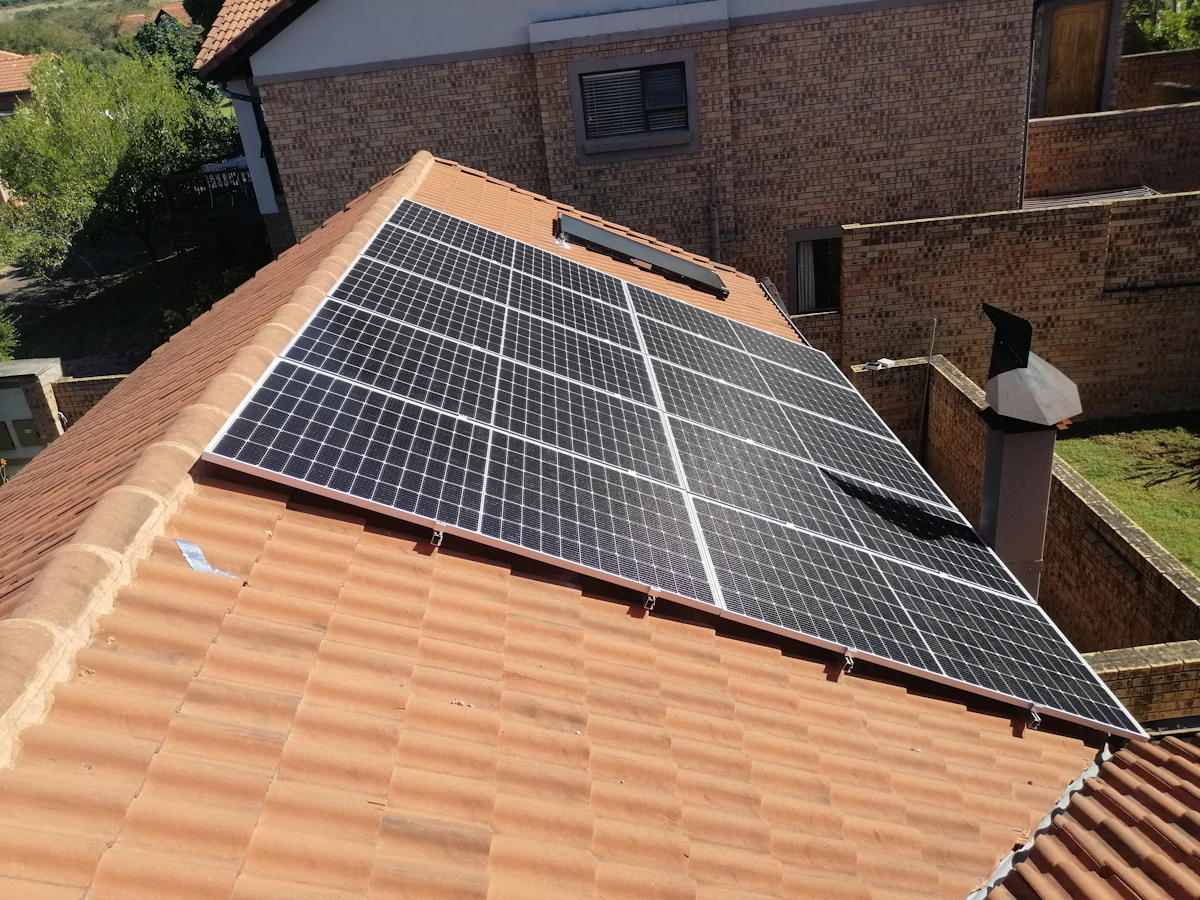
The 25C credit for heat pumps and the 25D credit for solar and batteries both ended after December 31, 2025. Any quote that counts them for 2026 spending is wrong. Solar also pays less for exports under California's newer billing rules, so many homes pair it with a battery to use more of their own power.
A simple rule
If your heating and water heating run on gas and a system is near the end of its life, replace it with a heat pump first, because a failure forces the choice and many programs require approval before installation. If your bills are mostly cooling and your roof is good, solar plus a battery can come first where a battery rebate exists. Do insulation and air sealing before either, since it shrinks the size you need.
Check these before you sign
Whether your utility's rebate needs approval first, whether a contractor must be in the utility's network (SMUD), whether a time-of-use rate is required (Riverside's battery rebate), and whether the quote's rebate matches the program's own page. Start at our California calculator.
Common questions
Is there a federal credit for solar in 2026?
No. The 25D credit ended after December 31, 2025.
Which pays more in California, heat pumps or batteries?
It depends on the utility: Glendale and LADWP favor heat pumps, San Diego Community Power and Riverside favor batteries.
Should I insulate first?
Usually yes. It lets you buy a smaller heat pump or battery system.
Sources, read October 2, 2026: San Diego Community Power Solar Battery Savings, Riverside Public Utilities Energy Storage Rebate, SMUD battery storage, LADWP Consumer Rebate Program.