Quick quiz: British Columbia rebates
A few questions from the programs we track. Tap an answer to see why.
Do solar panels work when they're covered in snow?
Every BC homeowner asks this. And I get it—we live in a place where it snows. If panels are covered, they can't generate power, right?
Here's what actually happens: Yes, snow covers panels sometimes. No, it doesn't kill your system. And no, the rebate calculations don't assume you'll have output all year round.
Modern Panels Shed Snow Faster Than You Think
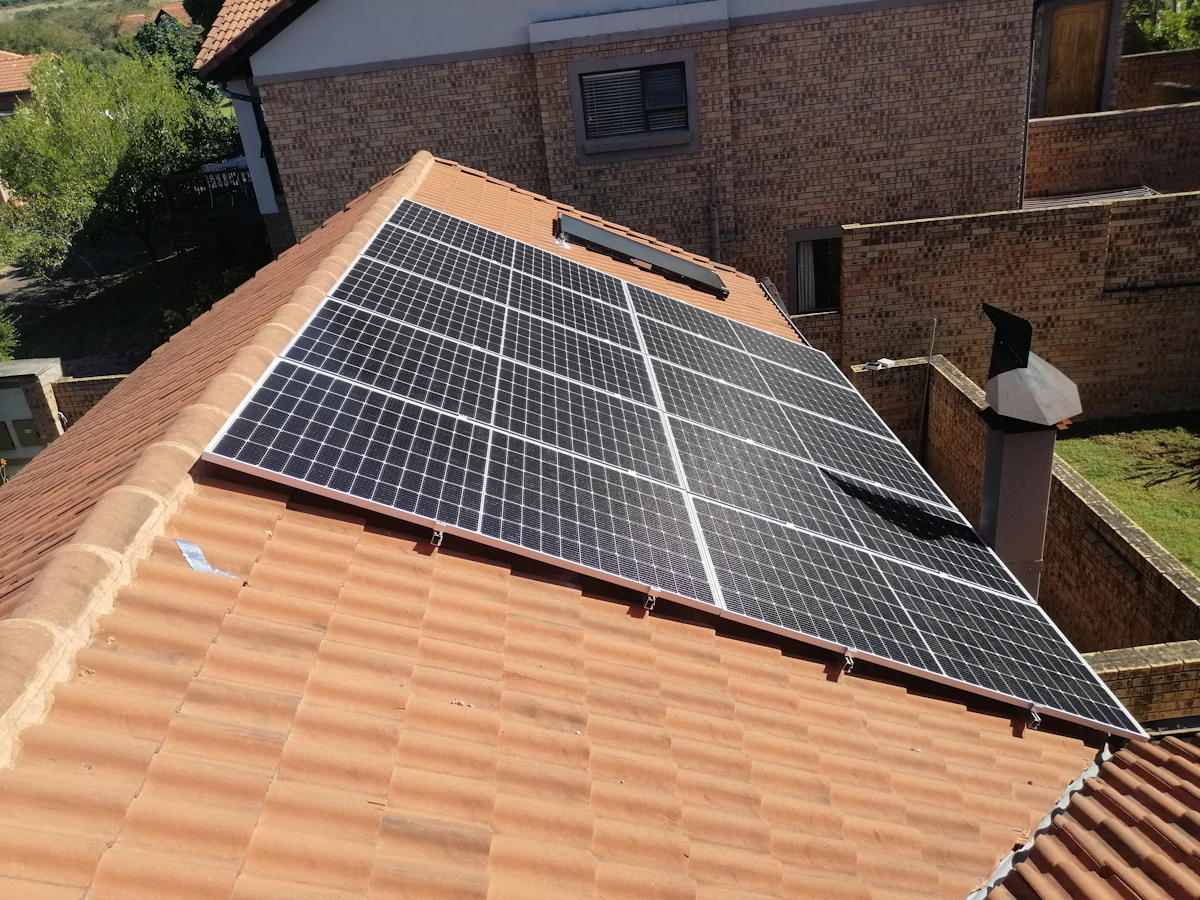
Solar panels are installed at an angle (usually 30-40 degrees). That matters. Snow doesn't stick to steep slopes. A light dusting? Gone in hours when the sun hits it. Heavy snow? It slides off as the panel surface warms.
I've watched videos of homeowners in Alberta and Manitoba with snow piled thick on their panels in January. Within 48 hours of sun exposure, it's sliding off. The dark surface of the panel heats up faster than the roof around it, causing the snow layer underneath to melt slightly—creating a frictionless surface for the upper layers to slide off.
This isn't theoretical. It's built into the physics of modern panel design.
What About Heavy Snow or Extended Cloud Cover?
Fair question. Yes, a system will generate zero output when panels are completely covered. And yes, BC winters have cloudy days.
BC Hydro's rebate calculations already account for this.
When engineers calculate your expected annual output, they don't assume 365 days of perfect sun. They use historical weather data for your specific city—including cloud cover, rain, and yes, snow. They model a typical year, not a best-case year.
For Kelowna, they assume ~2,000 peak sun hours annually. For Vancouver, ~1,600. Those numbers already include the winter slowdown. Your rebate is based on realistic output, not fantasy output.
The Real Winter Story
BC winters actually favor solar in one weird way: solar panels are more efficient in cold.
Silicon panels lose efficiency as they heat up. So a -5°C sunny day in Kelowna can actually generate more output per panel than a +25°C sunny day. The cold air keeps panels operating at peak efficiency.
Meanwhile, winter cloud cover (common in the Lower Mainland) does reduce output. But again: that's built into the calculation.
Actual BC data: A typical 6kW system in Vancouver generates about 160 kWh in January (less sun, more clouds). Same system generates 600+ kWh in July. Annual total: ~5,200 kWh. Your rebate assumes that split, not 365 days of July.
The One Case Where Snow Actually Matters
There's one scenario where snow becomes a real issue: flat-roof installations in high-snow regions.
If your panels are installed flat (0-5 degree angle), heavy snow piling up stays put. You might need to manually clear it a few times per winter. This is rare in residential solar—most homes have pitched roofs—but it happens.
If your installer suggests flat-roof solar in Fort St. John or Prince George, ask them about snow management. It should be part of the conversation.
Do You Need to Clear Snow Yourself?
Short answer: No, and don't try.
Walking on a snowy panel, scraping it with a shovel, or using hot water to melt snow—all of these can damage panels or void warranty. Also, you're on a roof. That's dangerous.
If panels are heavily covered after a big snowstorm, wait 48 hours. Sun will do the work. If you're genuinely worried about long-term snow accumulation, mention it to your installer when they're doing the site assessment. They can adjust the angle or address it in design.
The real fear behind this question: "Will I pay for a system that doesn't work half the year?" Answer: No. The rebate is based on annual output in your city. If your system underperforms due to shade, snow, or anything else, that's on the installer to design around—not on you to live with it.
What Installers Should Tell You
A good installer will:
- Show you the annual output estimate for your city, not generic solar math
- Explain that estimate includes seasonal variation (winter is slower)
- Discuss your roof angle and whether snow shedding is an issue (usually it isn't)
- Never suggest you need to manually clear panels unless they're flat-roof installed
- Provide monitoring software so you can watch real-world output through the winter
If an installer downplays winter performance or doesn't have a good answer to "how does my winter work?", ask a second installer.
The Bottom Line for BC Homeowners
Snow is a real thing here. Panels do get covered sometimes. But:
- Modern panels shed snow quickly due to angle and heat
- Winter output is already built into your rebate calculation
- Cold actually helps panel efficiency
- You don't manually clear panels
- Seasonal variation (high in summer, low in winter) is expected and accounted for
Snow does impact solar, but the impact is already factored into your expected return. You're not getting surprised in year one when winter rolls around.
See my rebates →Keep reading
Related articles and in-depth guides to understand your options better.
Article • Cost
"Solar is Too Expensive"
BC rebates cover 30-50% of costs. Here's the actual net cost after financing and savings.
Article • Installer
6 Red Flags in Installers
Not all HPCN-certified installers are created equal. Here's what to watch for.
Guide • ROI
Is BC Hydro's Solar Rebate Worth It?
Full breakdown of solar payback, 10-year savings, and ROI calculation for BC homes.
Guide • Batteries
Home Battery Rebates Explained
Which batteries qualify. Rebate amounts. Paired with solar for maximum savings.