Quick quiz: Ontario rebates
A few questions from the programs we track. Tap an answer to see why.
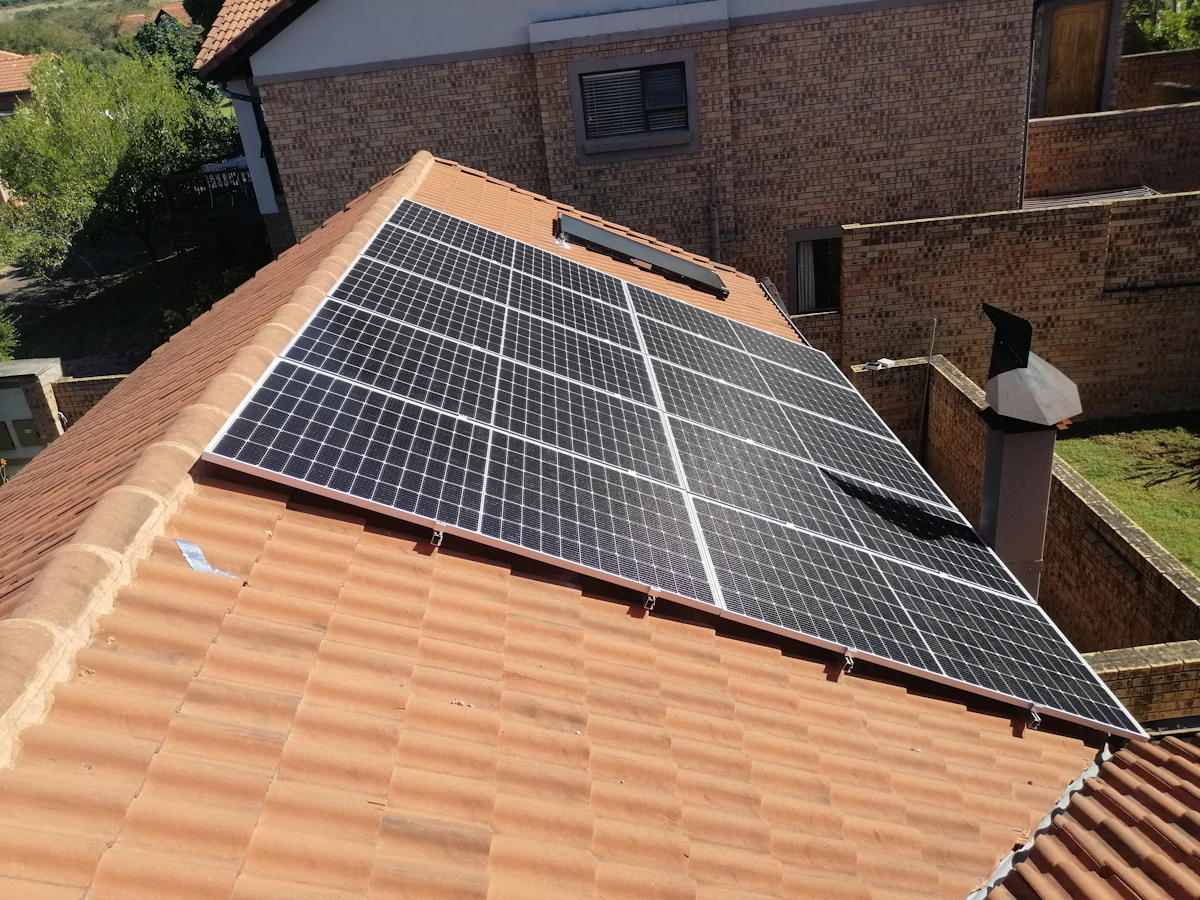
Most Home Renovation Savings Program rebates just stack on top of whatever else you're doing. Solar is the exception. The program is explicit: if you take the HRSP solar rebate, you give up the right to sign a net-metering agreement with your local distribution company for that system. You have to choose before you install.
Option 1: The HRSP rebate
$1,000 per kW of installed capacity, capped at 50% of your total project cost, up to a maximum of $5,000.
The catch: "load displacement only"
The rebate is explicitly for systems designed so the power you generate is used by your own home — not exported back to the grid for credit. If you oversize your system beyond your household's typical daytime usage, you're generating power you can't get paid for under this option.
Option 2: Net metering
Under a net-metering agreement with your utility, any surplus power your panels generate (beyond what your home uses in real time) gets credited back on your bill, which you can draw down later — effectively using the grid as a battery. There's no upfront rebate, but no cap on how much surplus you can be credited for either.
How to decide
| HRSP Rebate | Net Metering | |
|---|---|---|
| Upfront cash | up to $5,000 | $0 |
| Best for | Systems sized close to your own usage | Larger systems, or homes that export a lot of surplus |
| Long-term value | Fixed, one-time | Ongoing credit, no cap |
| Sizing strategy | Match panels to daytime household load | Can oversize without losing value |
As a rough rule: if your installer is proposing a system sized to cover roughly what your home uses during daylight hours (common for a typical detached home with modest daytime usage), the rebate usually wins — you get real cash now instead of a credit you may or may not fully use. If you have a large south-facing roof and your installer is proposing a bigger system than your daytime load needs, net metering likely captures more value over time.
✅ Don't decide alone
This is exactly the kind of tradeoff your installer should model for your specific roof, household usage pattern, and system size before you sign anything — ask for both numbers side by side, not just the rebate pitch.
Battery storage isn't affected the same way
Battery storage has its own separate rebate ($300/kWh, capped at 50% of cost, up to $5,000) and it stacks with the solar rebate for up to $10,000 combined — the net-metering exclusivity only applies to the solar panels themselves, not to adding storage.
Model your Toronto solar numbers
We'll help you compare the rebate against net metering for your specific home.
Estimate my rebates →Source: homerenovationsavings.ca — solar rebate details. Net-metering terms are set by your local distribution company; confirm specifics with them directly.
Full Toronto solar rebate page → · Battery storage rebate page → · All HRSP categories explained →