Quick quiz: British Columbia rebates
A few questions from the programs we track. Tap an answer to see why.
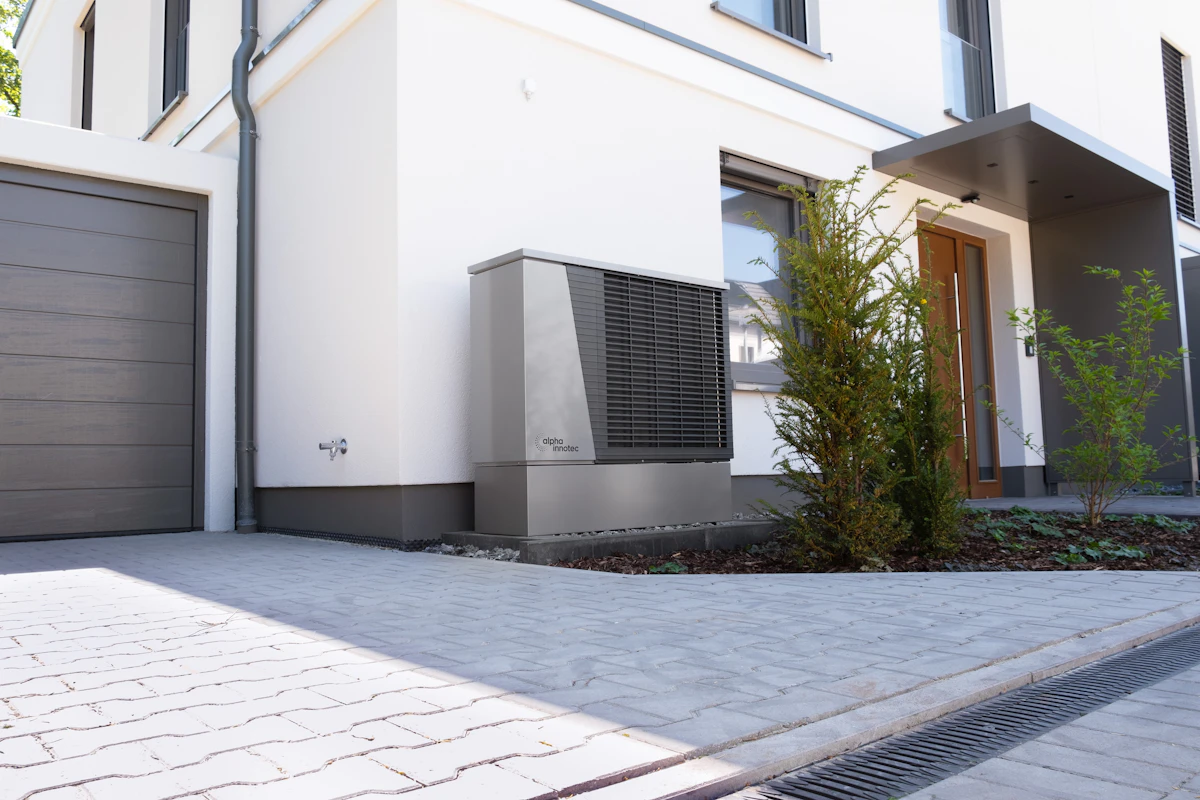
A heat pump is the single upgrade that saves most BC homeowners the most money — and it's the one most people understand least. Here's the whole thing in plain English.
Canada’s new heat pump rebate is worth up to $10,000. Get an email the day it opens
Applications are not open yet. Ottawa says they open in early 2027, and that you can add this rebate on top of provincial ones.
- Up to $10,000
- if your household earns below the median income
- $2,000
- for other homeowners who qualify
Stack it with the British Columbia rebate open today
Ottawa says you can combine them. Each program has its own rules. Amounts are the most you can get.
Applications open early 2027
Join the launch alert
- Launch-day email, with what to do first
- Who qualifies for the $10,000, once Ottawa says
- A short hello now, so you know it worked
Know someone with old heating? Send them this.
Only emails about this rebate. No spam, no sales calls. Unsubscribe anytime.
Read everything we know so far Official page: canada.ca
How a heat pump actually works
A heat pump doesn't burn fuel to make heat. It uses electricity to move heat from one place to another. In winter it pulls warmth out of the outside air (there's usable heat in air even at −20°C) and brings it indoors. In summer it runs in reverse — pulling heat out of your house and dumping it outside, exactly like an air conditioner.
That "moving instead of making" trick is why it's so efficient: for every unit of electricity it uses, it delivers roughly three units of heat.
One machine, both jobs
A heat pump replaces your furnace and your air conditioner. For most BC homes switching off gas, that means heating bills drop and you get whole-home cooling you probably never had — increasingly useful as summers get hotter.
Ducted vs. ductless — which fits your home
Air-source heat pumps (the right type for almost every BC home) come in two layouts:
| Type | Best for | How it looks |
|---|---|---|
| Ductless (mini-split) | Homes on electric baseboards with no ductwork | An outdoor unit feeds one or more wall-mounted indoor "heads" |
| Ducted (central) | Homes replacing a gas or electric furnace | An outdoor unit connects to your existing ducts |
If you're on a gas furnace (common in the Fraser Valley and Interior), a ducted heat pump usually reuses your existing ducts. If you're on baseboards, a ductless multi-split is often simpler and cheaper.
How efficient, really?
- Up to 300% more efficient than electric baseboard heating.
- Up to 50% more efficient for cooling than a typical window AC unit.
- Often cheaper to run than a natural-gas furnace, depending on gas and electricity prices.
"But do they work in the cold?"
Yes — modern cold-climate models are rated to keep working down to about −30°C. In the coldest snaps some homes use a small backup (electric strips or the existing furnace in a "dual-fuel" setup), but the heat pump does the heavy lifting the vast majority of the year. We go deeper in Do heat pumps actually work in a BC winter?
What to check before you buy
- Variable-speed compressor. It's required for rebates and it's simply better — quieter and cheaper to run than single- or two-speed units.
- Right-sized to your home. A good contractor calculates your heating load. Insulating first lets you install a smaller, cheaper unit — which is why we say insulation first.
- The efficiency ratings. Higher HSPF (heating) and SEER (cooling) mean lower bills. Ask for the "capacity maintenance ratio" at −15°C for winter performance.
- Covers at least 50% of your home — a rebate condition.
- Who files the rebates. Your contractor applies through BetterHomes BC, not you. That makes contractor choice matter — see red flags when choosing an installer.
What it costs (and what you get back)
Installed cost depends a lot on system type, home size and electrical work, so get two or three quotes. Against that, BC Hydro pays up to $4,000 (no income test) when you replace electric heat, and income-qualified households switching from gas, oil or propane can get up to $13,000 from CleanBC (July 2026 rules) — and for lower-income homes, the Energy Conservation Assistance Program can install one for free. Your exact number depends on your income and utility.
See your heat pump rebate in a minute
Free, no sales calls — just your real number based on your home and income.
Estimate my rebates →Keep it running efficiently
- Replace or clean filters yearly.
- Hold a steady temperature instead of big swings.
- Use "heat" or "cool" modes rather than "auto."
- Keep the outdoor unit clear of snow, leaves and clutter.
- Book a professional check every 1–2 years.
Want to compare brands? See Mitsubishi vs. Daikin vs. Bosch. Wondering if it replaces your AC too? Heat pump vs. AC vs. furnace. Curious which city adds the most on top? 12 BC cities ranked by total rebate stack. And if you're planning further ahead, see what a fully electrified home looks like by 2030. Already installed one? Tell us what you actually paid and see how it compares.
Source: BC Hydro — Heat pumps. Rebate amounts change; confirm current figures at BetterHomes BC.