Quick quiz: how a heat pump works
Ten questions on the machine itself. Tap an answer to see why.
Furnace and AC vs Heat Pump: Which Is Better?
A furnace heats. An AC cools. A heat pump does both with one machine. Here's how to choose for your home.
Short answer: A furnace and AC are two machines: the furnace heats (usually with gas) and the AC cools. A heat pump is one machine that does both, using electricity. For most homes getting a new system, a cold-climate heat pump is the better pick, often with the old furnace kept as backup. A furnace and AC still make sense if gas is cheap where you live and your equipment is fairly new.
Furnace vs AC: what each one does
A furnace makes heat. Most burn natural gas, some burn oil or propane, and some use electric coils. A fan blows the warm air through your ducts. It does nothing in summer.
An air conditioner (AC) only cools. It moves heat from inside your home to the outdoor unit. In a typical central system, the AC coil sits on top of the furnace and uses the furnace's fan and ducts. That's why people say "furnace and AC" as one thing: they work as a pair.
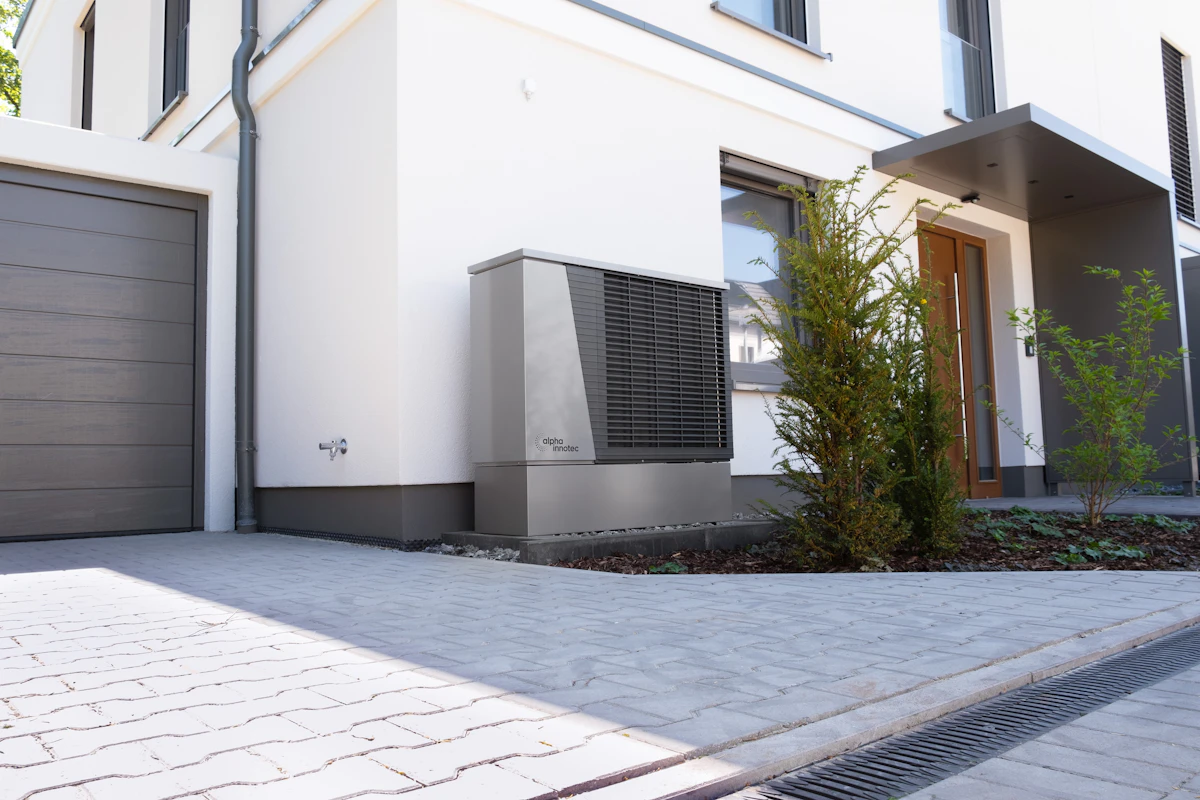
A heat pump is an AC that can run in reverse. In summer it moves heat out. In winter it pulls heat from the outdoor air (there is heat in the air even well below zero) and moves it in. One machine, one fuel: electricity.
Heat pump vs furnace and AC: side by side
| Question | Heat pump | Furnace + AC |
|---|---|---|
| Heats? | Yes | Yes (furnace) |
| Cools? | Yes | Yes (AC) |
| Machines to buy and service | 1 outdoor + 1 indoor unit | 2 (furnace + AC) |
| Fuel | Electricity | Gas, oil or propane for heat; electricity for AC |
| Efficiency | About 1.5 to 3+ units of heat per unit of power, lower in deep cold | Furnace turns 80% to 98% of fuel into heat (its AFUE) |
| Deep cold (-20°C and below) | Cold-climate models keep working, less efficiently; many homes keep a backup | Furnace output doesn't drop with the cold |
| Running cost | Depends on your local gas vs power prices. Ask for a quote based on your own bills. | |
What do COP and AFUE mean? COP is how much heat a heat pump makes per unit of electricity. A COP of 3 means 3 units of heat for 1 unit of power. AFUE is the share of a furnace's fuel that becomes heat in your home. A 95% AFUE furnace sends about 5% up the vent. No furnace can beat 100%. A heat pump can, because it moves heat instead of making it.
Does a heat pump work in the cold?
Yes, if you buy a cold-climate model. Natural Resources Canada tested one through a full Ottawa-area winter. It averaged a COP of about 3.0 at +5°C and about 1.5 at -21°C. That means even on a very cold day it still made more heat than a plain electric heater using the same power. But it does lose capacity and efficiency as it gets colder.
So the real question is how cold your winters get and for how long. On the BC coast, deep cold is rare. In Prince George or the Interior, a backup (a furnace or electric coils) is common. Your installer should size the system with a proper heat-loss calculation, not a rule of thumb.
The middle path: a heat pump with your furnace as backup
A hybrid (or "dual-fuel") system pairs a heat pump with a furnace. The heat pump does all your cooling and most of your heating. When it gets very cold, the furnace takes over. This is a good fit if:
- Your furnace is still in good shape, and your AC is the part that died.
- You get long cold snaps and want gas backup.
- You want to cut gas use without going all-electric in one step.
Watch the rebate rules. Some programs only pay if you replace a certain fuel. In BC, the BC Hydro heat pump rebate is only for homes replacing electric heat. Gas-heated homes may qualify for income-qualified CleanBC rebates instead. Check before you sign.
When a furnace and AC still make sense
- Your gas is cheap and your power is expensive, and you don't qualify for rebates.
- Your furnace is only a few years old. Replacing just the AC with a heat pump may be the smarter move.
- Your electrical panel can't take a heat pump without a costly upgrade.
We'd rather tell you that than sell you something that doesn't pencil out for your home.
What does each option cost?
Prices vary a lot by home size, ducts, region and brand, so we don't publish a single number. The fair way to compare is to get quotes for both options on the same home, then add the rebates you actually qualify for. Ask each installer for:
- A written heat-loss (load) calculation.
- The exact model numbers, so you can check them on the rebate program's qualified list.
- An estimate of yearly running costs using your own gas and power bills.
Replacing a furnace or air conditioner? See what rebates really exist, and when a heat pump makes more sense: British Columbia furnace & AC rebates · Ontario furnace & AC rebates · Alberta furnace & AC rebates · California furnace & AC rebates
Heat pump rebates in 2026
- BC (BC Hydro): up to $4,000 for a whole-home heat pump that meets 100% of your heating need at -5°C, or up to $1,500 for one that meets at least 50%. Only for homes replacing electric heat, and your installer must be in the Home Performance Contractor Network (HPCN). A bonus of up to $1,000 applies to installs completed and paid for Aug 1 to Oct 31, 2026.
- BC (CleanBC, income-qualified): since July 6, 2026, up to $13,000, $7,000 or $3,500 (by income level) for switching from gas, oil or propane, with a $3,000 top-up in northern areas. Not everyone qualifies.
- United States: the federal 25C heat pump tax credit ended on December 31, 2025. State and utility rebates vary.
- Everywhere else: programs change often. See your city's page for what's open now.
What to do next
- Check the age of your furnace and AC. If one still has years left, you may only need to replace the other.
- Look up your rebates before you get quotes. Rules on your current fuel matter.
- Get a heat-loss calculation and quotes for a heat pump and for a hybrid setup.
- Confirm the model is on the program's qualified list before you sign.
See your city's heat pump rebates
Compare top-rated local installers, ranked by Google reviews. Free for homeowners.
See your city's rebates →FAQ
Is a furnace and AC better than a heat pump?
Not usually for a new install. A furnace and AC are two machines; a heat pump is one machine that heats and cools. A furnace and AC can still make sense where gas is very cheap, your ducts and furnace are fairly new, or you get very long cold snaps and don't want a backup.
What is the difference between a furnace and an AC?
A furnace makes heat, most often by burning natural gas, and blows it through your ducts. An air conditioner only cools: it pulls heat out of your home and dumps it outside. Most homes with central air have both, sharing the same ducts and blower.
Does a heat pump work in the cold?
Cold-climate models do. In Natural Resources Canada tests, a cold-climate heat pump still averaged a COP of about 1.5 at -21°C, which means it made about 1.5 units of heat per unit of power. It is less efficient in deep cold, so many homes keep a backup.
Can I keep my furnace and add a heat pump?
Yes. This is called a hybrid or dual-fuel system. The heat pump does most of the heating and all of the cooling, and the furnace takes over in deep cold. Check your rebate rules first: in BC, the BC Hydro rebate is only for homes replacing electric heat.
What rebates are there for a heat pump?
It depends on where you live. In BC, BC Hydro pays up to $4,000 when you replace electric heat with a qualifying heat pump, plus a bonus of up to $1,000 for installs finished Aug 1 to Oct 31, 2026. Income-qualified CleanBC rebates can be higher. In the US, the federal 25C tax credit ended on December 31, 2025. See your city's page for local programs.
Will my electricity bill go up with a heat pump?
Your power bill goes up because you are now heating with electricity. If you also stop buying gas or oil, your total energy bill may go down, stay the same, or go up. It depends on your local gas and power prices and how well your home is sealed. Ask your installer for a load calculation and an estimate using your own bills.
Read next: Furnace buying guide · Central air buying guide · BC heat pump rebate guide · What HPCN means
Sources, checked September 26, 2026: NRCan: cold-climate heat pump field test · NRCan: heating and cooling with a heat pump · BC Hydro heat pump rebates · Better Homes BC Energy Savings Program · IRS 25C credit
Related guides
How cold-climate heat pumps hold up in a BC winter.
Complete Heat Pump Rebate Guide BC 2026BC Hydro and CleanBC heat pump rebates, and who qualifies.
Central Air Conditioner Buying GuideSticking with straight AC instead? Real 2026 costs, SEER2, and sizing rules.
Furnace Buying GuideSticking with gas instead? Real 2026 costs, AFUE, and sizing rules.
Smart Thermostat Comparison GuideCompare Google Nest, Ecobee, Mysa, Honeywell with Peak Saver integration.