Quick quiz: how a heat pump works
Ten questions on the machine itself. Tap an answer to see why.
The Short Answer
Heat pump wins everywhere in New York. A heat pump pays for itself in 3–6 years depending on your region. Solar takes 12–18 years. Do heat pump first. Then consider solar later if it makes sense for your roof and goals.
Heat Pump Payback by New York Region
NYC & Westchester (Con Edison)
Installation cost: $18,000–$22,000
Rebates available: Con Edison’s NYS Clean Heat rebate: $7,000–$10,000 for a single-family whole-home switch ($8,000–$11,000 in a Disadvantaged Community). EmPower+ can add more for income-eligible homes.
Your out-of-pocket: $2,000–$8,000 after rebates
Energy savings: $1,400–$1,600 per year
Payback time: 1.3–5.7 years (most homeowners: 4–6 years)
Buffalo (National Grid)
Installation cost: $19,000–$21,000
Rebates available: National Grid $1.5K–$4K + state Clean Heat $6K–$10K + federal HEAR $4K–$8K = $11.5K–$22K
Your out-of-pocket: $1,000–$10,000 after rebates
Energy savings: $1,200–$1,400 per year (cold winters)
Payback time: 1–8 years (most homeowners: 3–5 years)
Rochester (National Grid)
Installation cost: $19,000–$21,000
Rebates available: National Grid $1.5K–$4K + state Clean Heat $6K–$10K + federal HEAR $4K–$8K = $11.5K–$22K
Your out-of-pocket: $1,000–$10,000 after rebates
Energy savings: $1,200–$1,400 per year
Payback time: 1–8 years (most homeowners: 3–5 years)
Syracuse (National Grid)
Installation cost: $19,000–$21,000
Rebates available: National Grid $1.5K–$4K + state Clean Heat $6K–$10K + federal HEAR $4K–$8K = $11.5K–$22K
Your out-of-pocket: $1,000–$10,000 after rebates
Energy savings: $1,200–$1,400 per year (coldest upstate)
Payback time: 1–8 years (most homeowners: 2–4 years)
Why Heat Pump Payback is So Fast in New York
Three reasons:
- Exceptional rebates: Con Edison’s Clean Heat rebate is one of the larger utility heat pump rebates in the country, and income-eligible homes can add EmPower+.
- High heating costs: New York winters are cold. Replacing oil or electric resistance heat with a heat pump saves $1,200–$1,600 per year. That's higher than most states.
- Modern equipment: Today's cold-climate heat pumps work great in New York winters. They're 250–350% efficient vs. 80–90% for furnaces.
Solar Comparison: Why It Takes Longer
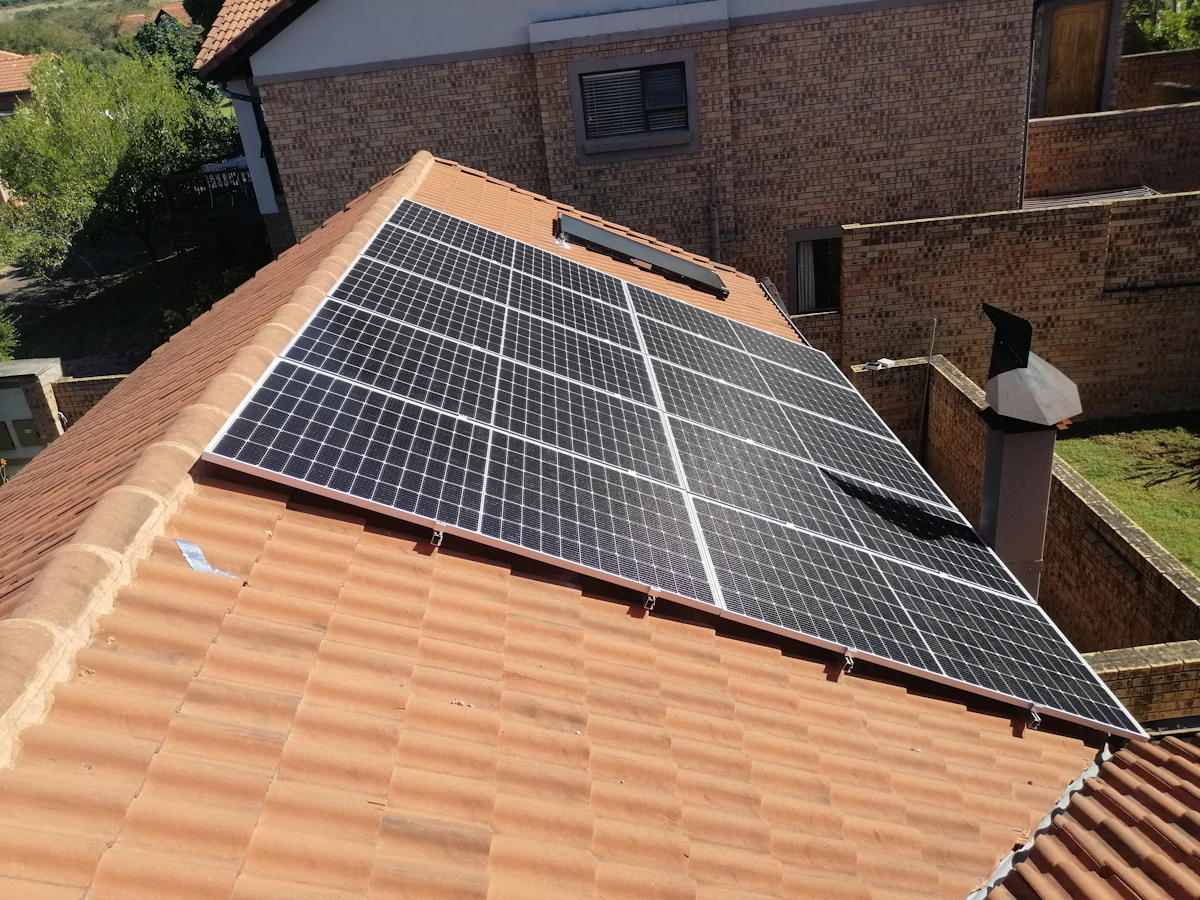
Solar installation cost: $16,000–$24,000 (6–8 kW system)
Rebates available statewide: NY-Sun incentive (varies by region and income) + NY State solar tax credit; the federal 25D credit ended Dec 31, 2025
Your out-of-pocket: $10,000–$16,000 after rebates
Energy savings: $800–$1,200 per year (varies by roof shading, orientation, location)
Payback time: 10–18 years (most homeowners: 12–15 years)
Quick Comparison Table
| System | Installation Cost | Rebates (Typical) | Out-of-Pocket | Annual Savings | Payback |
|---|---|---|---|---|---|
| Heat Pump (NYC) | $18K–$22K | $7K–$11K | $7K–$15K | $1,500/year | 4–6 years |
| Heat Pump (Buffalo) | $19K–$21K | $11.5K–$22K | $1K–$10K | $1,300/year | 3–5 years |
| Solar (Statewide) | $16K–$24K | $6K–$9K | $10K–$16K | $800–$1,200/year | 12–18 years |
The Best Strategy: Heat Pump First, Then Solar
Year 1: Install heat pump. Pay $2K–$10K out-of-pocket. Save $1,300/year on heating.
Year 4–6: Heat pump is paid off. System produces free heat. You're saving $1,300/year.
Year 6–8 onward: If your roof is good for solar, install solar. Use 4–6 years of heat pump savings to fund solar. Or take out a solar loan knowing your heat pump is already covering heating costs.
End result: After 18 years, you've paid for both systems through savings. For the next 7+ years, both systems produce free heat and electricity.
When Solar First Might Make Sense
Rare cases:
- You have excellent roof (no shading, south-facing, new). Solar payback is 10–12 years instead of 15–18.
- You're in an area with very cheap electricity. Heat pump savings are lower, so you prioritize solar's long-term value.
- You plan to stay in the home 25+ years and want to minimize total energy costs over time.
But even then: Heat pump payback is faster. It solves your heating problem first. Solar can wait.
The New York Advantage
New York’s utility heat pump rebates (NYS Clean Heat, up to about $8,000–$12,000) make heat pumps attractive, especially for oil and propane homes. Payback depends heavily on what fuel you replace — oil and propane homes save the most. Ask your installer for a bill estimate using your actual rates.
Next Steps
Ready to apply for heat pump rebates? Start here: New York state hub | Con Edison (NYC & Westchester) | National Grid (upstate)