Quick quiz: how a heat pump works
Ten questions on the machine itself. Tap an answer to see why.
What Actually Matters
AHRI Certification
This is the only thing you need to care about more than price. It means the manufacturer tested the heat pump in cold weather—like BC winters—and proved it works. No AHRI cert for your climate? You're buying a gamble.
Check the AHRI directory before you sign: www.ahridirectory.org. Search your specific model and outdoor design temperature. If it's not there, ask why.
Cold Climate COP
COP is just "how much heat you get per dollar of electricity." But here's the catch: manufacturers test at 47°F. That's spring weather. At -15°C (a normal BC January night), that number drops. Sometimes 30%, sometimes more.
Ask your installer: "What's the COP at -15°C for this specific model?" If they say "I'm not sure," they haven't done their homework. Mitsubishi and Daikin have real -15°C data. Some brands don't.
Warranty Matters Less Than You Think
Warranty terms vary by brand and model, and many need online registration to get the longer term. After that, you own the risk. A 10-year warranty is nice if you keep the heat pump for 15 years. Most people don't.
What actually matters: parts availability. If a compressor dies in rural BC in January and the brand doesn't stock parts locally, you're in trouble. Mitsubishi and Daikin have service networks everywhere. LG? Less common.
The Cost Breakdown Nobody Explains
A quote should split out equipment, labour, electrical work, permits and removal of the old system. If it's one lump number, ask for the breakdown. Prices vary a lot by region and home, so compare two or three quotes for the same scope.
Know which rebate you're getting and when it's paid. In BC, BC Hydro pays up to $4,000 (whole-home) or $1,500 (partial) when you replace electric heat, after you apply. CleanBC's income-qualified Energy Savings Program (up to $13,000 for switching from gas, oil or propane) is taken off your invoice by the contractor. If an installer says "after rebate you pay $2,000," ask which program, and whether you pay the full amount first.
Some installers offer financing. If they do, check the rate and compare it with other ways to borrow.
The Noise Question
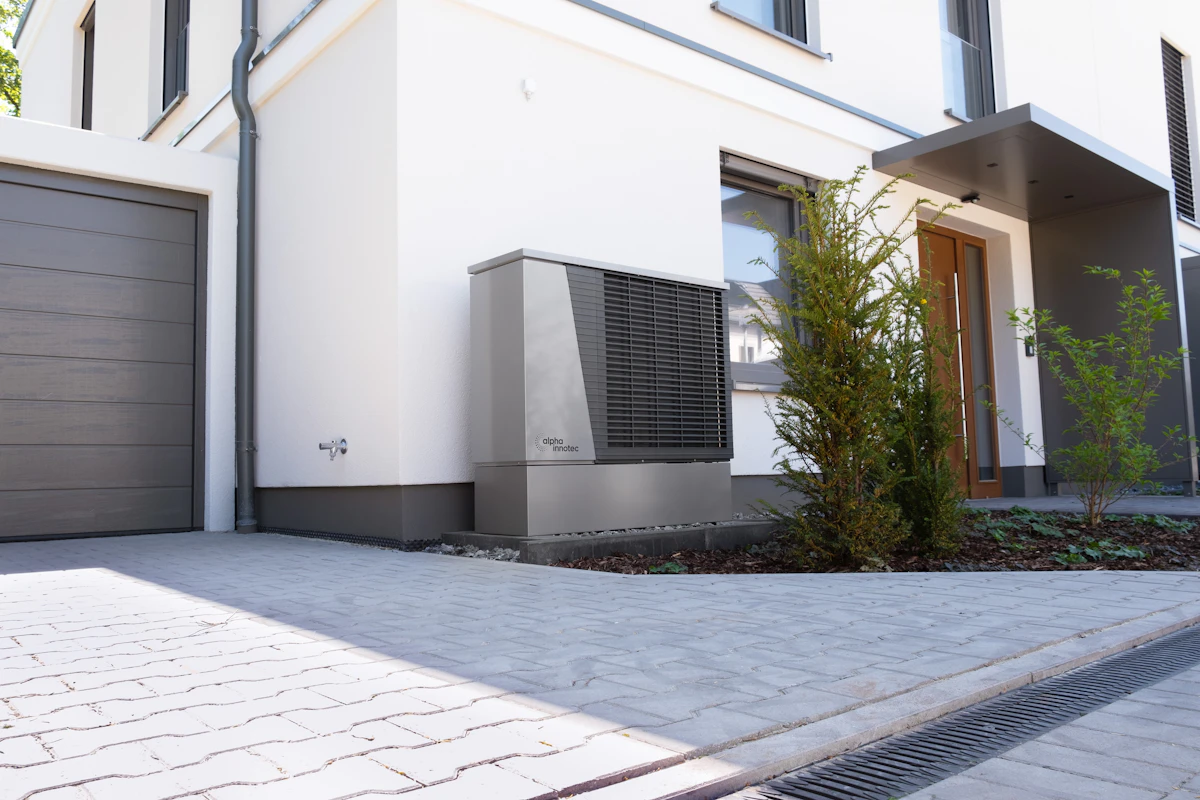
Outdoor units make some noise. The outdoor unit runs a compressor (like a refrigerator) and a fan. When it's 30 below and your heat pump is working hard, neighbors notice.
Check the sound rating on the spec sheet. But at 2 AM when you're paying attention to every sound, it feels louder.
Ask for the decibel rating at full load (not rated capacity). Ask where your outdoor unit will go. If it's near a bedroom window, think twice. Compare the sound ratings of the models you're quoted if neighbours are close.
Single-Zone vs Multi-Zone (Ductless vs Ducted)
Ductless: One outdoor unit, one or more indoor wall units. Heats individual rooms exactly how you want. Install in a few days, minimal disruption. Looks like a box on your wall (some people hate this).
Ducted: Outdoor unit connects to your existing furnace ducts. Heats the whole house automatically. Looks cleaner (no wall boxes). Adding or fixing ducts adds real cost, so get it quoted.
For most BC homeowners: ductless is the sane choice. Ask for quotes on both if you have ducts in good shape.
The Installer Question
You're not buying a heat pump. You're buying an installation. The best equipment installed wrong heats your house poorly.
Ask your installer:
- "How many of this brand have you installed this year?"
- "What's your typical first-year callback rate?" (Should be under 5%)
- "Will you pull permits?" (Some try to skip this)
- "What's included in your warranty on labor?" (Should be 2-5 years)
If they seem annoyed by these questions, they're not the right person.
The Math You Actually Need
Ask each installer to fill in these numbers for your home, in writing:
- Total installed price, before rebates
- Which rebate programs apply, and how much each pays
- Estimated yearly running cost, based on your own gas or power bills
- What you pay today vs. what comes back later
If two quotes for the same scope are far apart, ask each installer to explain the difference.
Sources, checked September 26, 2026: BC Hydro heat pump rebates · CleanBC Energy Savings Program requirements
Summary: What to Do Monday Morning
- Check AHRI directory for any models you're considering
- Ask installers for -15°C COP (not rated COP)
- Get 2-3 quotes, compare total cost (equipment + install)
- Ask about local service network and past projects
- Don't let them rush you (decision should take 2-3 weeks)
The rebate doesn't expire this year. There will be other quotes. Take your time.
Related Reading
- Heat Pump Brand Comparison: Mitsubishi vs Daikin vs Bosch
- All BC Rebate Programs by City
- BC Heat Pump Rebate Guide 2026
- Massachusetts Heat Pump Rebates (Mass Save)
- Home Energy Assessment: Questions to Ask
- Central Air Conditioner Buying Guide
- Furnace Buying Guide
- Energy-Efficient Dishwasher Buying Guide