Quick quiz: California rebates
A few questions from the programs we track. Tap an answer to see why.
What actually happened
Two programs did most of the heavy lifting for California's reputation as a rebate leader: HEEHRA (the federal-state heat pump rebate) and TECH Clean California (heat pump HVAC incentives). Both are now fully reserved for single-family projects statewide, and neither is accepting new income-verification applications. TECH Clean CA single-family reservations closed November 14, 2025. HEEHRA followed February 24, 2026.
What's left for market-rate homeowners is much thinner: $1,000-$1,500 for a heat pump through the remaining channels, versus $3,500-$4,000 for equity-rate (disadvantaged community) customers where funding still exists.
Solar isn't much better
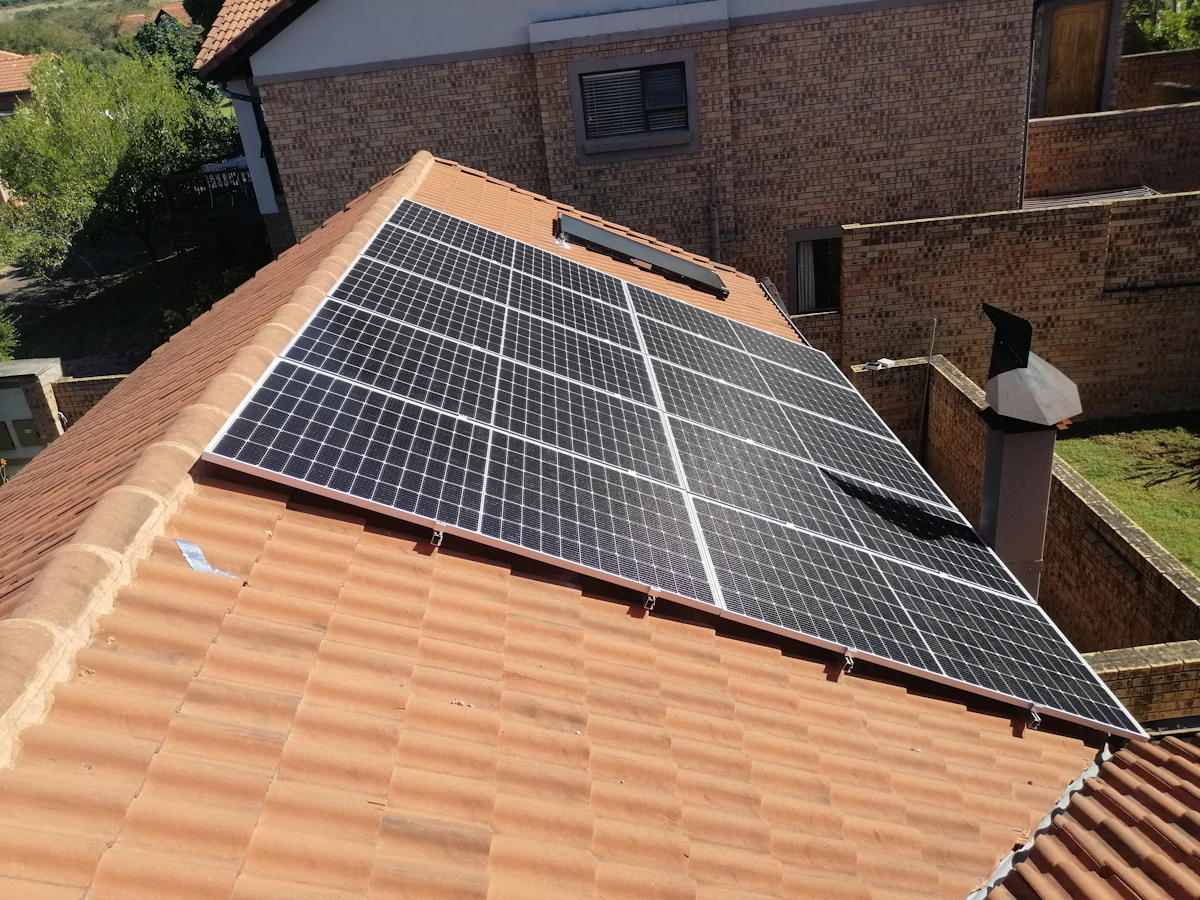
California's SGIP battery program is now largely restricted to the Residential Solar and Storage Equity (RSSE) track — low-income and high-outage-risk households only, and even that is mostly waitlisted. Meanwhile NEM 3.0 cut the value of exporting solar power to the grid by roughly 75%, from about $0.30/kWh to $0.05-0.08/kWh.
Why this matters beyond California
California is the case study for a pattern worth watching everywhere: a state can have genuinely generous rebate design on paper while functionally being closed to new applicants. A rebate program isn't real money until you can actually apply for it. We built our Massachusetts coverage instead of expanding into California for exactly this reason — Mass Save's programs are open and funded, not reserved-out.
More rebate reality checks
- Alberta's Heat Pump Program Got 16 Applications. One Was Approved.
- Canada's Home Energy Rebate Report Card: Every Province Graded
- Nova Scotia Had Canada's Best Heat Pump Rebate. It Quietly Vanished.
- "Holding My Money Hostage": Inside the Mass Save Complaints
- Which Provinces Are Advancing on Electrification — and Which Gave Up
- The $100 Alberta "Energy Rebate" Isn't What You Think
- 41 Massachusetts Towns Are Locked Out of Mass Save